
The Future of Creative Advertising: Insights from Purple Stardust
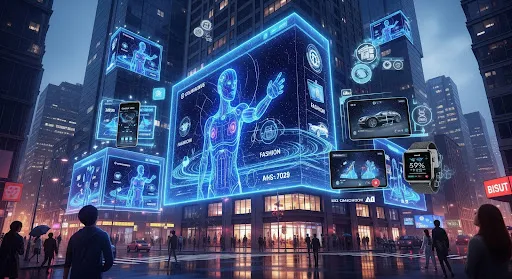
Advertising is evolving faster than ever. Once dominated by television spots, print campaigns, and display ads, the industry has moved into an attention-first, experience-driven landscape. In 2025, creative advertising is no longer just about selling products, it’s about capturing fleeting attention, generating engagement, and creating content that resonates across screens, platforms, and cultural contexts.
At Purple Stardust, we’ve been observing the shifts, experimenting with emerging technologies, and identifying the trends that will define the next five years. From AI-powered creativity to immersive storytelling, the future of advertising is both exciting and demanding and brands that fail to adapt risk being left behind.
In this guide, we explore the emerging trends reshaping the advertising landscape, why attention-first strategies matter, and how brands can leverage innovation to build campaigns that last, inspire, and convert.
The Attention Economy: The Heart of Modern Advertising
In today’s digital ecosystem, attention has become the most valuable currency. Consumers scroll, swipe, and scroll again; their gaze is fragmented across social media, streaming services, podcasts, and apps.
Traditional ad formats struggle to compete. Static banners, unskippable pre-rolls, and generic posts are drowned out by infinite content. For brands, this means one thing: creative advertising must earn attention, not buy it.
Purple Stardust predicts that the next five years will be dominated by attention-first campaigns, where the design, timing, and context of every message are optimised to capture, sustain, and multiply audience engagement.
Key insight: Brands that can translate fleeting attention into meaningful engagement will define the future of creative advertising.
Trend 1: AI-Powered Creativity
Artificial Intelligence is no longer just a tool for automation or analytics; it’s a creative partner. AI can generate ideas, produce visuals, analyse audience sentiment, and optimise campaigns in real time. At Purple Stardust, we’ve seen AI transforming creative workflows:
- Content generation: AI helps create copy variations, personalised ad scripts, and social media posts tailored to specific audience segments.
- Design augmentation: AI can produce dynamic visuals, motion graphics, and immersive content faster than traditional methods.
- Predictive insights: Machine learning analyses engagement patterns, identifying which elements will likely capture attention before campaigns launch.
Example: Imagine a campaign where AI dynamically adjusts messaging based on a viewer’s engagement history, displaying a product benefit most likely to resonate in that exact moment. This is not a futuristic concept; it’s already happening and will become mainstream in 2025.
Key takeaway: AI will amplify human creativity, enabling marketers to deliver hyper-relevant, attention-grabbing campaigns at scale.
Trend 2: Immersive Content Experiences
Advertising is increasingly experiential. Consumers crave interaction, not just observation. Immersive content, from augmented reality (AR) filters to virtual reality (VR) environments, allows audiences to step inside a brand’s story.
- AR in social campaigns: Try-on features for fashion, cosmetics, or accessories create interactive experiences that blend entertainment and commerce.
- VR brand worlds: Virtual showrooms, product demonstrations, or event experiences engage audiences in ways static ads never could.
360° video storytelling: Offering a panoramic, interactive perspective encourages viewers to explore narratives at their own pace.
Purple Stardust predicts that immersive campaigns will become standard in creative advertising. They are particularly effective because engagement is active, not passive, and interactivity naturally extends attention spans.
Trend 3: Storytelling Over Selling
The most successful campaigns in the future won’t push products, they’ll tell stories.
Consumers increasingly value brands that entertain, inspire, or educate, rather than interrupt. Story-driven campaigns:
- Create emotional resonance.
- Build long-term audience loyalty.
- Increase shareability across platforms.
Purple Stardust has pioneered campaigns where brand narratives evolve episodically, spanning multiple platforms and formats. These campaigns convert passive audiences into active participants, effectively turning marketing into entertainment.
Example: Episodic content for a lifestyle brand integrated social posts, short-form videos, and interactive quizzes to create an ongoing story that users followed voluntarily. The result was an extended engagement cycles and measurable growth in brand recall.
Key insight: Storytelling campaigns outperform traditional push advertising by embedding brands in cultural conversations rather than interrupting them.
Trend 4: Personalisation at Scale

Consumers now expect content tailored to their interests, habits, and context. Personalisation is no longer optional, it’s expected.
- Dynamic creative optimisation: AI-powered platforms can adjust messaging and visuals in real time based on user behaviour.
- Segmented storytelling: Different audience segments can experience customised narratives without losing a unified brand voice.
- Cross-platform cohesion: Personalised campaigns can adapt seamlessly across social media, email, in-app experiences, and web content.
Purple Stardust predicts that the future of creative advertising lies in micro-targeted storytelling, where relevance is optimised at the individual level, dramatically increasing attention and engagement.
Trend 5: Data-Informed Design
Design will continue to evolve as a critical differentiator in the attention economy. However, the next generation of creative advertising relies on data-informed design, where every colour, motion, and visual cue is validated against audience behaviour.
- Eye-tracking studies, heatmaps, and click-through patterns inform visual hierarchy.
- Motion graphics and transitions are tested for retention impact.
- Copy and messaging are refined to maximise attention in milliseconds.
Purple Stardust leverages data to ensure that design decisions aren’t just aesthetically pleasing, they are attention-engineered to stop the scroll.
Trend 6: Sustainability and Social Responsibility
Beyond technology, values are increasingly shaping attention. Consumers notice and reward brands that stand for something meaningful. Campaigns that integrate sustainability, inclusivity, or social purpose not only gain engagement but also loyalty.
- Campaigns highlighting eco-conscious practices resonate with Gen Z and millennial audiences.
- Purpose-driven narratives spark conversations, shares, and advocacy.
- Combining purpose with immersive storytelling creates memorable, long-lasting impressions.
Purple Stardust integrates social relevance into creative strategies, ensuring campaigns aren’t just noticed; they’re remembered and respected.
Trend 7: Cross-Platform, Multi-Sensory Campaigns
The future of advertising is platform-agnostic. Attention is fragmented across devices, apps, and media formats. Successful campaigns must orchestrate multiple touchpoints to deliver a coherent, immersive experience.
- Social, streaming, and web campaigns reinforce each other.
- Audio branding, motion graphics, and interactive visuals create multi-sensory engagement.
- Consistent narrative threads maintain recognition even as formats differ.
Purple Stardust’s multi-platform campaigns combine storytelling, design, and data to extend reach while maintaining brand consistency, ensuring attention compounds rather than dissipates.
Preparing for 2026: Key Takeaways

- Attention is the new currency: Campaigns must earn, retain, and amplify it through creativity, design, and relevance.
- AI is a creative partner, not a replacement: Human insight remains critical for culturally resonant ideas.
- Immersive experiences extend engagement: Interactivity, AR, VR, and 360° formats create memorable moments.
- Stories outperform ads: Narrative-driven campaigns embed brands in culture rather than interrupt it.
- Personalisation drives relevance: Tailoring content at the individual level maximises attention and conversion.
- Data informs every design choice: Optimising visuals and motion based on behaviour increases impact.
- Purpose matters: Campaigns aligned with social or environmental values build loyalty and advocacy.
- Cross-platform orchestration is essential: Campaigns must flow seamlessly across devices and media.
Conclusion
The future of creative advertising is not just about bigger budgets or flashier visuals; it’s about understanding attention, shaping experiences, and embedding brands into culture.
At Purple Stardust, we combine technology, design, and storytelling to craft campaigns that don’t just reach audiences; they resonate, engage, and endure. By leveraging AI, immersive content, attention-first strategies, and data-informed design, brands can not only navigate the crowded digital landscape but thrive in it.
The next five years will reward brands that treat advertising as creative exploration rather than interruption, campaigns as experience platforms rather than one-off promotions, and audiences as participants rather than passive viewers.

